In this article
What to know
- Larger supplied portions increased intake across an eleven-day study.
- Portion size and energy density are separate features of a meal.
- Smaller plates alone did not reduce intake in the cited experiments.
The serving and the plate are different changes
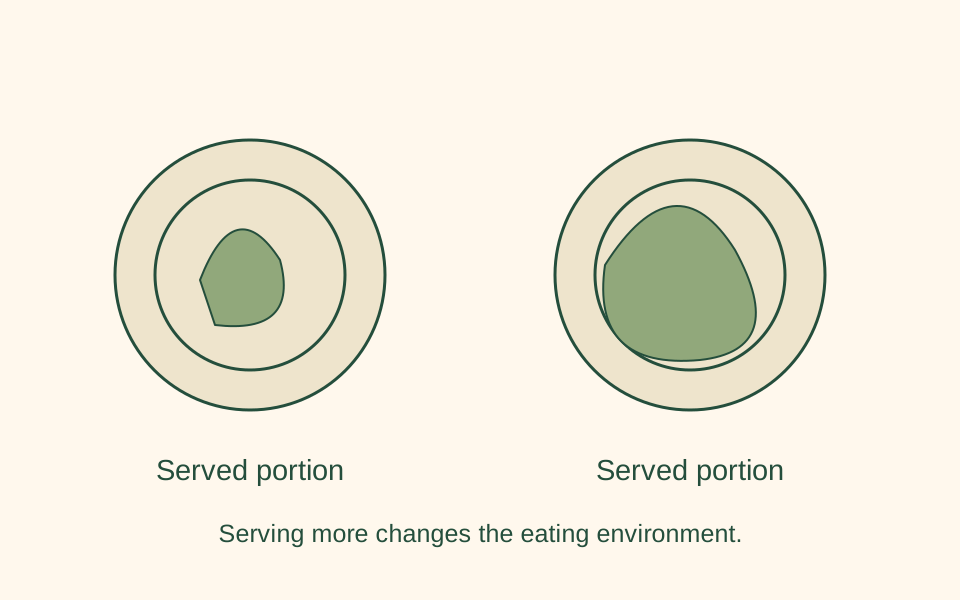
The amount of food served can influence how much people eat in controlled experiments. Changing only the diameter of a plate has not always produced the same result. [1] [3] That distinction matters because a useful observation about food portions is often simplified into a shopping rule about dinnerware. The evidence is more specific, and it does not require treating hunger as a character flaw.
A portion is one part of an eating situation. The type of food, what else is available and the chance to have another serving can all affect what an experiment tests. Before turning a study into a habit, ask what actually changed. A smaller plate, a smaller prepared meal and a lower-energy-density recipe are related ideas, but they are not interchangeable interventions.
An eleven-day study tested persistent exposure
Rolls and colleagues studied 23 adults in two periods lasting eleven consecutive days. All food and caloric drinks were supplied, with standard portions in one period and portions increased by 50% in the other. Participants consumed more energy with the larger servings, averaging an additional 423 kilocalories per day across that period. [1]
The finding is useful because the effect did not disappear after just one unusually large meal. It also has a clear boundary: a small, controlled feeding experiment lasting eleven days cannot establish the weight change every person would experience over a year. The amount consumed is an intake outcome. Converting it directly into a precise long-term weight forecast would add assumptions the study did not test.
Energy density was a separate lever
Another controlled study varied both portion size and the energy density of food across short feeding periods. Reducing each influenced energy intake, and the combined effects were additive in that setting. [2] Energy density means the amount of energy in a given weight of food. A larger-looking portion can therefore contain a different amount of energy depending on its composition.
That helps explain why a single instruction to make everything smaller is not the whole lesson. A change to the recipe or balance of foods can alter a meal in a different way from removing part of the same dish. The experiment does not prescribe one menu for everyone, but it shows why the food itself deserves attention alongside the dimensions of the serving.
A smaller plate was not an automatic solution
In three crossover experiments, researchers changed plate size while studying how much adults served and ate. They did not find a significant reduction in energy intake simply from using the smaller plates in those experiments. [3] That result should temper a confident promise that purchasing different dinnerware will reliably produce weight loss.
It does not establish that visual cues never matter. The tested meals, service arrangements and participants set the limits of the finding. Someone may still find a different bowl or plate convenient, just as someone may find portioned containers useful for packing lunch. A convenience can be worthwhile without being a proven independent treatment. The purchasing claim should match the outcome that was actually measured.
Apply the evidence to the meal that is difficult
Think of a lunch where a person routinely receives more food than they want, or a dinner where serving everything at once makes it hard to decide what is enough. Adjusting the serving arrangement may be a practical experiment. Another person's problem may be the opposite: a small lunch that leaves a long afternoon unmanageable. The research does not say that less food is always the correct response.
A useful change should preserve an eating pattern you can sustain. Notice whether it helps hunger, satisfaction and the next meal rather than judging it only by how small the plate looks. If you are following a clinical dietary plan, have a history of disordered eating or find portion rules distressing, individualized support may be more appropriate than adding another restrictive routine.
Read Ultra-processed food and weight for a different controlled-feeding question about food characteristics and intake.
Prepared meals solve only part of the question
A prepared-food service can make the amount and nutrition information easier to see. That may reduce planning work. It does not establish that the supplied meal is the right amount for every person or that ordering it guarantees a weight outcome. The customer still needs food that fits their needs, schedule and preferences.
When comparing boxes, examine the actual meals you would choose, how the shipment fits the week and what else you would need to buy. A low per-meal price can be poor value if the portion routinely leaves you needing a different meal or goes uneaten. Conversely, a slightly more expensive option may be useful if it reliably replaces a difficult lunch. These are practical judgments, not trial conclusions about a particular brand.
Use portions as a tool rather than a verdict
The feeding studies support a real environmental effect: what is served can influence intake, and the effect can persist across repeated days. [1] They also show why the simplest slogan is inadequate. Plate diameter, food quantity and recipe composition are distinct changes with different evidence. A thoughtful plan can consider each without turning dinner into a constant measurement exercise.
The goal is a workable meal pattern. Choose a specific situation to improve, use enough information to judge the change and allow the routine to adapt. If you need help deciding what that means for your health or appetite, compare personal nutrition support rather than assuming a new set of plates or a smaller subscription meal will answer every question.
The BistroMD review examines the practical fit of frozen prepared meals and the regular delivered price.
Sources
Research describes groups and specific study conditions. Your medical history, symptoms and treatment decisions require advice from your own qualified clinician.